
Chapter 7 vs. Chapter 13 Bankruptcy in Tennessee: Which Is Right for You?
Chapter 7 vs. Chapter 13 Bankruptcy in Tennessee: Which Is Right for You?
If you’re struggling with overwhelming debt, nonstop creditor calls, or the fear of losing your home or income, you’re not alone. Many individuals and families across Tennessee face financial hardship at some point in their lives. Bankruptcy is a legal tool designed to provide relief, protection, and a path forward—but understanding which type of bankruptcy is right for you is critical.
The two most common options for individuals are Chapter 7 bankruptcy and Chapter 13 bankruptcy. While both can offer powerful protection from creditors, they work in very different ways. This guide breaks down each option to help you understand which may fit your situation best.
Understanding Bankruptcy in Tennessee
Bankruptcy is a federal legal process that allows individuals to eliminate or reorganize debt under the protection of the court. Once a case is filed, an automatic stay goes into effect, which immediately stops most collection efforts, including creditor harassment, wage garnishments, foreclosure proceedings, lawsuits, and repossession attempts.
Tennessee residents typically file under either Chapter 7 or Chapter 13, depending on income, assets, and financial goals.
What Is Chapter 7 Bankruptcy?
Chapter 7 bankruptcy is often referred to as “liquidation bankruptcy,” but for most filers, no property is actually taken. Instead, Chapter 7 focuses on wiping out unsecured debts quickly.
Debts Commonly Discharged in Chapter 7
- Credit card debt
- Medical bills
- Personal loans
- Payday loans
- Utility arrears
In most cases, Chapter 7 allows individuals to eliminate these debts entirely, giving them a fresh financial start.
How Long Does Chapter 7 Take in Tennessee?
A typical Chapter 7 case in Tennessee lasts about three to four months from filing to discharge.
Who Qualifies for Chapter 7?
Eligibility is based largely on the means test, which compares your household income to the Tennessee median. If your income is below the limit, you may qualify automatically. Even if it is higher, qualification may still be possible depending on expenses and circumstances.
Benefits of Chapter 7 Bankruptcy
- Fast debt relief
- No repayment plan
- Immediate protection from creditors
- A fresh financial start
Potential Drawbacks
- Does not help catch up on missed mortgage payments
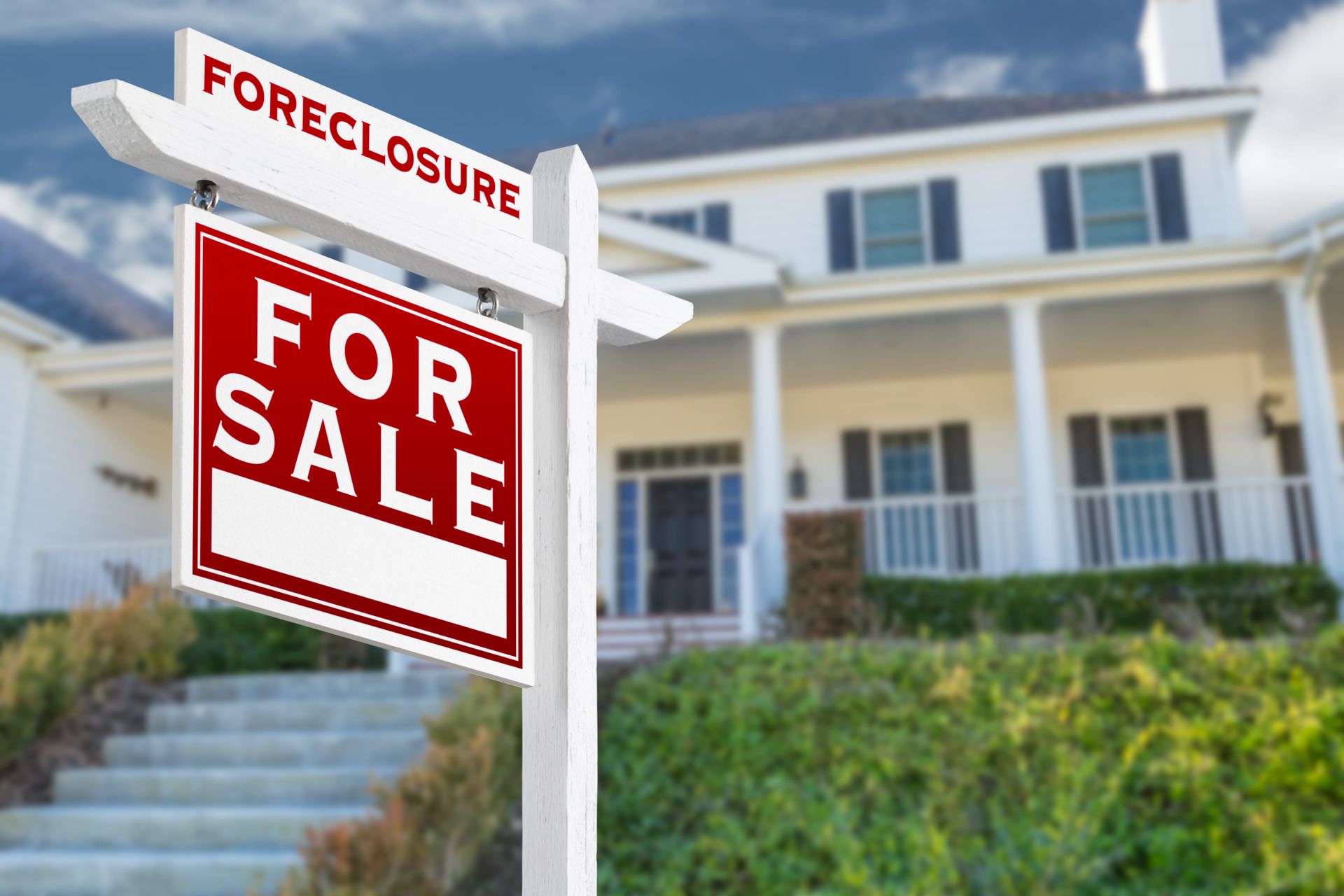
- Does not permanently stop foreclosure if you are behind
- Certain debts, such as child support and most student loans, usually remain
What Is Chapter 13 Bankruptcy?
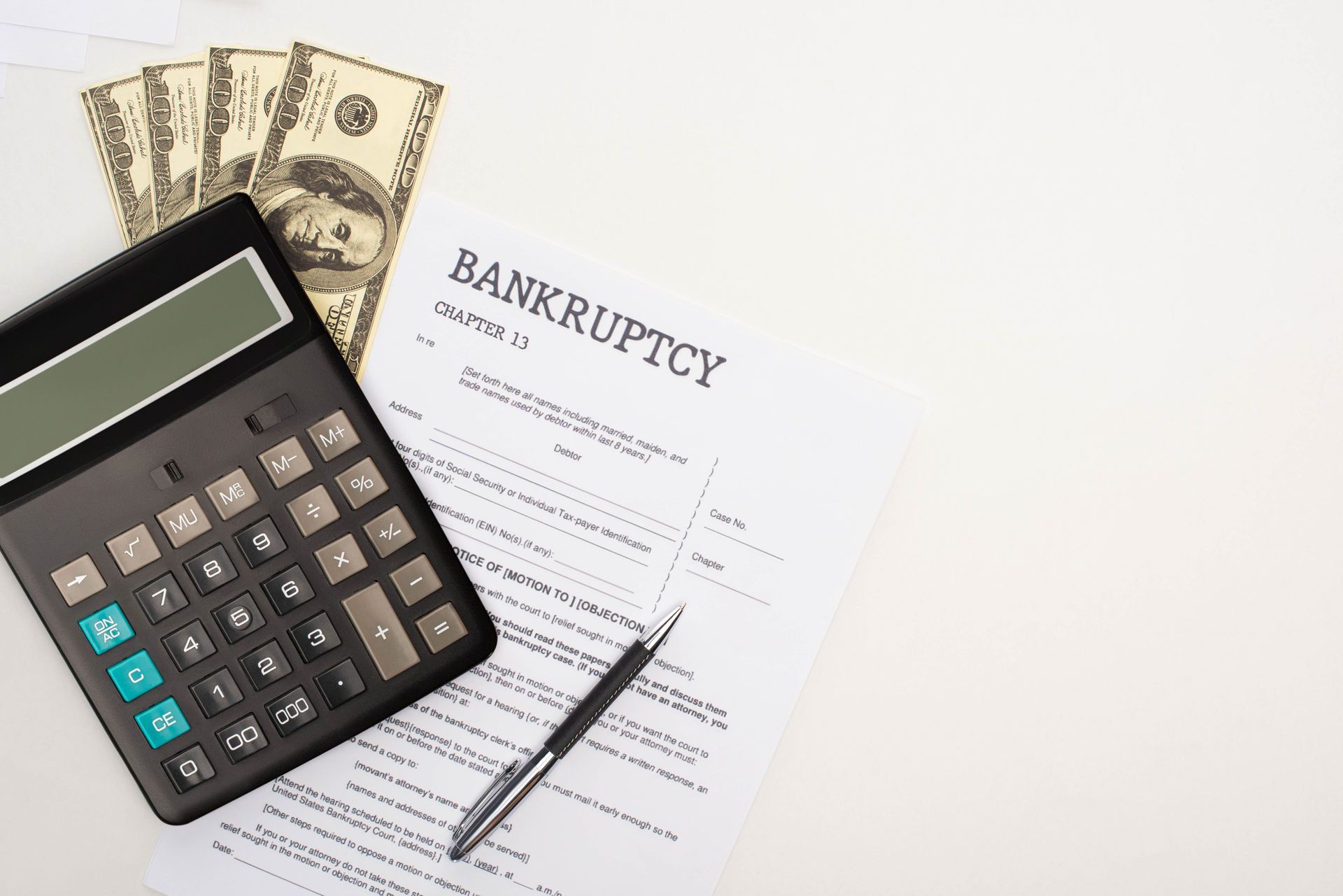
Chapter 13 bankruptcy is designed for individuals with regular income who need time to reorganize their debts. Instead of eliminating debt right away, Chapter 13 creates a court-approved repayment plan lasting three to five years.
How Chapter 13 Works
You make monthly payments to a bankruptcy trustee, who distributes funds to creditors. At the end of the repayment plan, remaining eligible debts may be discharged.
Debts Commonly Addressed in Chapter 13
- Past-due mortgage payments
- Car loan arrears
- Tax debt
- Credit card and medical debt
Benefits of Chapter 13 Bankruptcy
- Stops foreclosure and allows time to catch up on mortgage payments
- Prevents vehicle repossession
- Combines debts into one monthly payment
- Helps protect valuable assets
- May reduce the total amount owed
Potential Drawbacks
- Requires steady income
- Takes longer than Chapter 7
- Involves ongoing monthly payments
Which Bankruptcy Option Is Right for You?
Choosing between Chapter 7 and Chapter 13 depends on several personal factors, including your income, the type and amount of debt you owe, whether you are behind on your mortgage or car payments, and your long-term financial goals.
For example, individuals overwhelmed by credit card or medical debt with limited income may benefit from Chapter 7. Those facing foreclosure or repossession but able to afford monthly payments may find Chapter 13 to be the better solution.
Because every situation is different, speaking with a bankruptcy attorney can help clarify which option makes the most sense for your circumstances.
Bankruptcy Help for Memphis and Tennessee Residents
Tennessee bankruptcy cases follow federal law, but exemptions and procedures can vary. Filing correctly and at the right time can make a meaningful difference in the outcome of your case.
At Luxman Law Firm, Bo Luxman works with clients to review debts, explain available options, and help them move toward financial stability. Careful planning can help protect your future and reduce unnecessary stress.
Take the First Step Toward Debt Relief
If your finances feel overwhelming and creditors won’t stop calling, you don’t have to face this alone. Bankruptcy may provide the protection and relief you need to move forward.
📞 Call Luxman Law Firm at 901-526-7770 today to schedule a consultation and learn whether Chapter 7 or Chapter 13 bankruptcy is right for you.